
The most common uses of stainless steel pipes include moving fluids, processing of food products, construction, and decoration purposes. While corrosion resistance is the most prominent advantage of such pipes, there are many others. Well-selected stainless steel pipe requires minimal maintenance, ensures smooth operation of the equipment, and satisfies requirements regarding pressure, temperature, hygienic, and aesthetic factors.
The following paragraphs briefly highlight the advantages of stainless steel pipes and will help in choosing an appropriate type of pipe.
Excellent Corrosion Resistance

The most prominent advantage of stainless steel is its excellent corrosion resistance. The presence of chromium in the alloy results in the formation of an incredibly thin passivation film. Such a film prevents corrosion and can even self-heal if it gets damaged by reacting with oxygen.
This characteristic makes stainless steel pipes applicable in humid conditions, water supply systems, food industry, and various industrial pipelines. While Grade 304 is enough for normal use, Grades 316 and 316L have superior corrosion resistance in chloride-containing environments.
The actual anti-corrosion properties depend on the grade of material, the state of the surface, operating temperature, and interacting materials. In case the tubes will be used where they come into contact with seawater or chemical substances, the right material choice is crucial.
Strength and Structural Durability
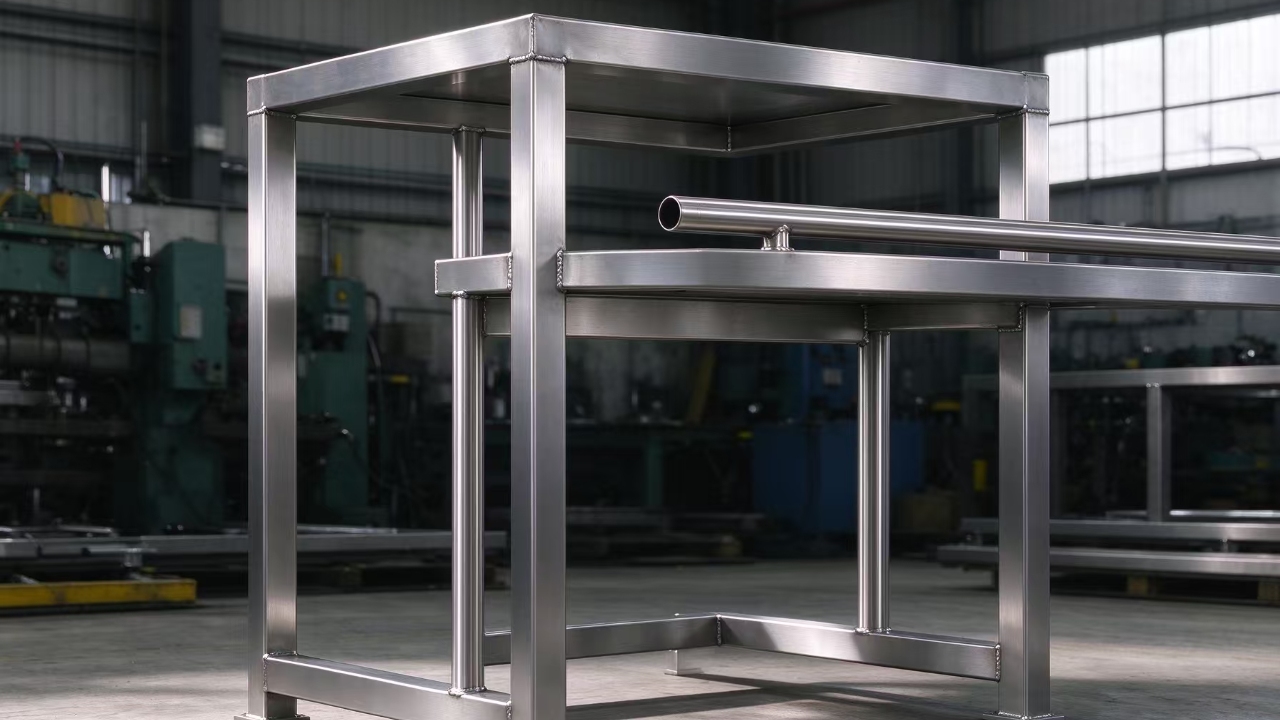
Steel pipe is characterized by great strength and durability. It may be designed in a certain way to withstand various structural loads according to their specifications and the needs of industrial pipe systems.
Round steel pipes are usually applied for transportation of liquids. Square and rectangular steel pipes serve as framework, structural supports, bases for equipment, and decorative elements. These steel pipes have an excellent strength-to-weight ratio, meaning that they do not weigh too much when providing enough strength to structures.
However, strength is not enough when we speak about pressure-containing applications. We should take into consideration wall thickness, operating pressure, temperature, connections, codes, and tests.
Highly Durable and Requires Low Maintenance
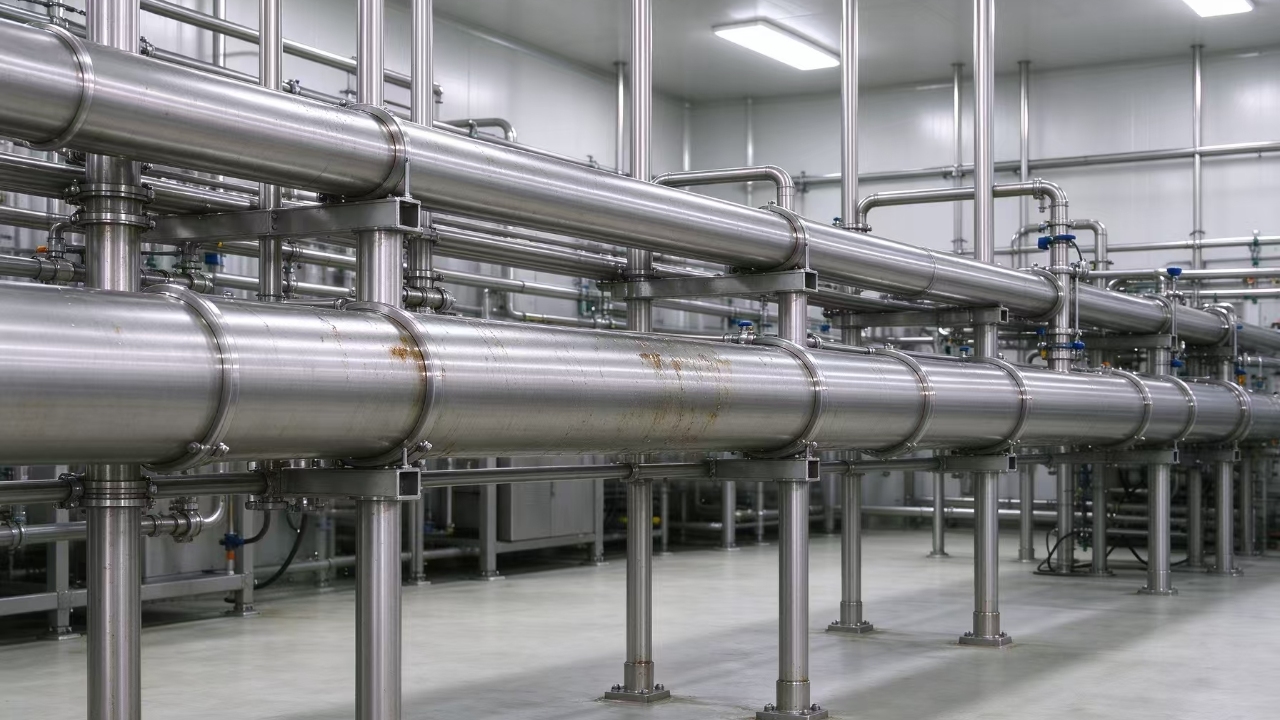
In cases where proper materials are used and systems are designed efficiently, stainless steel pipes are likely to work for many years. Excellent resistance to corrosion means that rusting, wearing down, and frequent pipe replacement will be minimized.
This benefit is most important in industries and commercial works where minimal downtime and low maintenance needs are highly valued. However, the actual lifespan depends on the conditions of operation, installation quality, cleaning procedures, and the presence of corrosive substances.
Used in a Variety of Temperature Levels
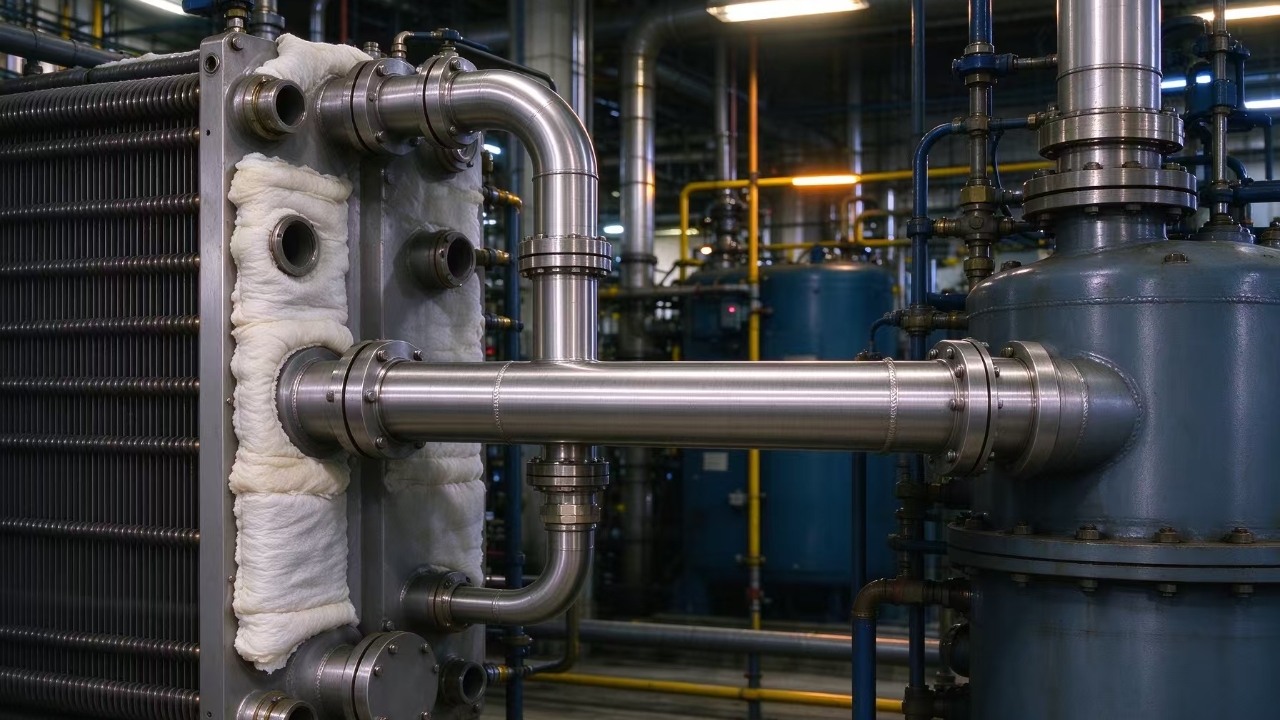
Stainless steel tubes operate in different temperature environments. If selected with the correct stainless steel type and design, they will be able to keep their mechanical integrity even at both high and low temperatures.
They are ideal for use in power generation units, processing machinery, heat exchangers, and other pipes that encounter temperature changes.
All stainless steel types are not appropriate in every kind of temperature environment. High temperature uses must take into account oxidation, creep strength, and thermal cycling effects. Low temperature uses require evaluation of toughness and design codes.
Clean Surface for Hygiene-Critical Applications
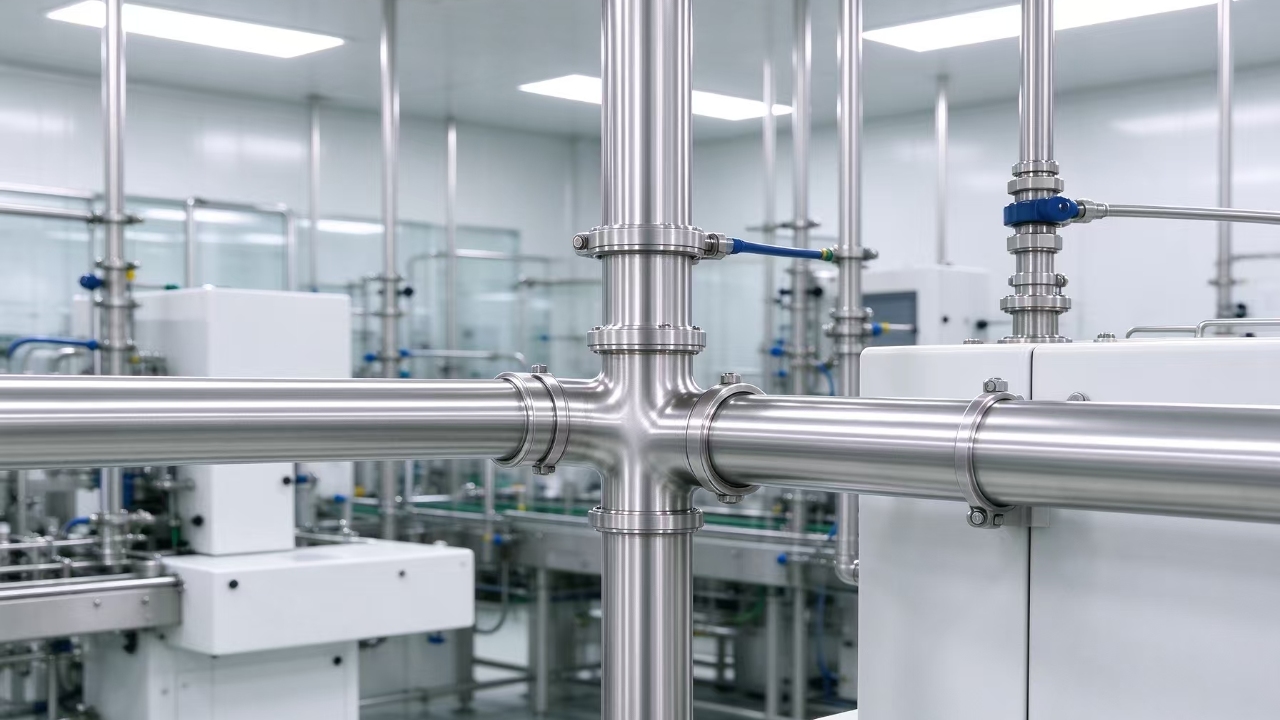
Food & beverage, pharmaceutical and other high-cleanliness industries rely heavily on stainless steel tubes. Properly finished stainless surfaces are easy to clean and resist residue build-up.
For these hygienic uses, material grade is only one consideration. Surface roughness, weld quality, inner surface treatment, joint design, and compatibility with cleaning or sterilisation procedures all need checking.
Grade 316L is commonly chosen for high-standard sanitary and pharmaceutical projects, thanks to its low-carbon composition and reliable corrosion resistance. During procurement, verify that tubes comply with relevant sanitary standards and project cleaning requirements.
Wide Selection of Sizes, Shapes and Manufacturing Processes
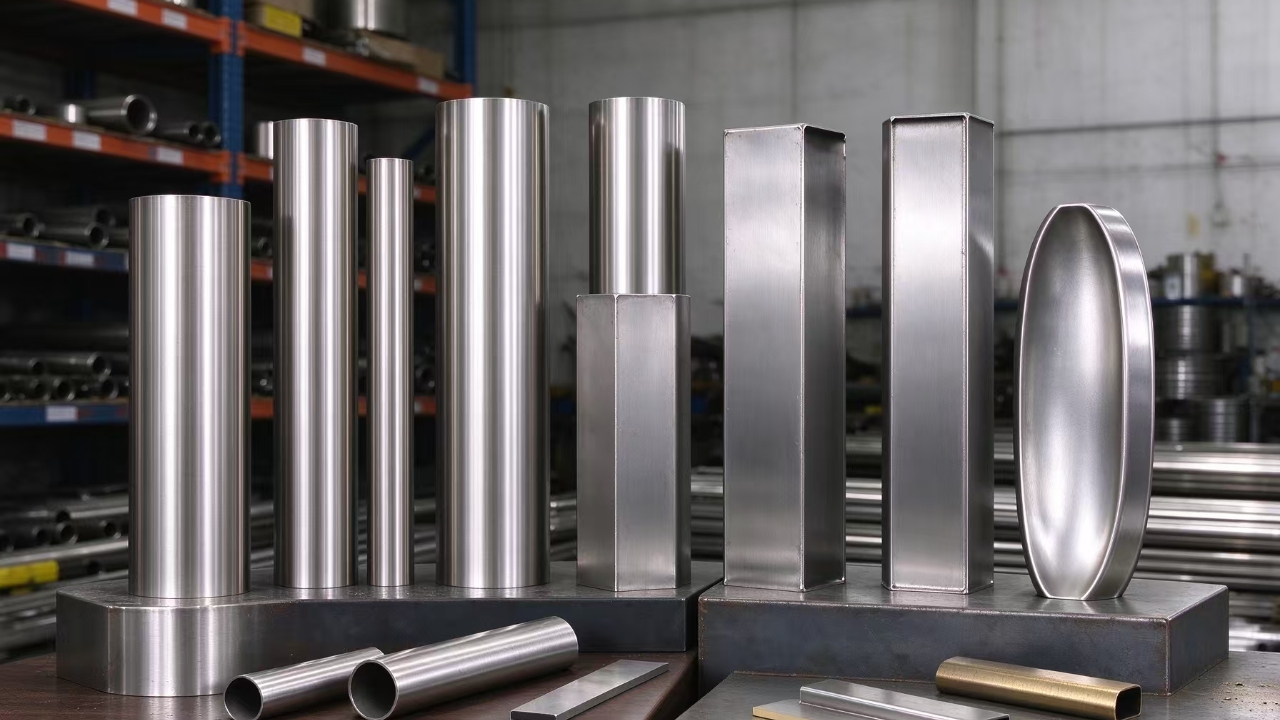
Stainless steel pipes come in many sizes, wall thicknesses, cross-sectional profiles and production types. Buyers can choose according to on-site installation constraints and performance needs.
Common product types:
Stainless steel seamless pipe: No longitudinal weld seam. Used for applications with special pressure, temperature or code requirements.
Stainless steel welded pipe: Rolled and welded from stainless steel strips or sheets, offering better cost performance for standard sizes.
Stainless steel round pipe: The mainstream option for fluid transport and general structures, available in both seamless and welded versions.
Stainless steel square tubing: Widely used for equipment frames, structural supports, furniture and architectural decoration, mostly welded.
Stainless steel rectangular tubing: Ideal for frame supports, curtain wall components and decorative projects; welded versions are more readily available.
Stainless steel oval tube: Customisable by cross-section and installation requirements, often used for decoration, railings and special structures.
Fabricators also offer secondary processing including cutting, bending, drilling, welding, grinding and polishing, subject to manufacturer capacity. Confirm producible size ranges and tolerance requirements with your supplier before finalising designs.
Attractive Appearance with Multiple Surface Finishes
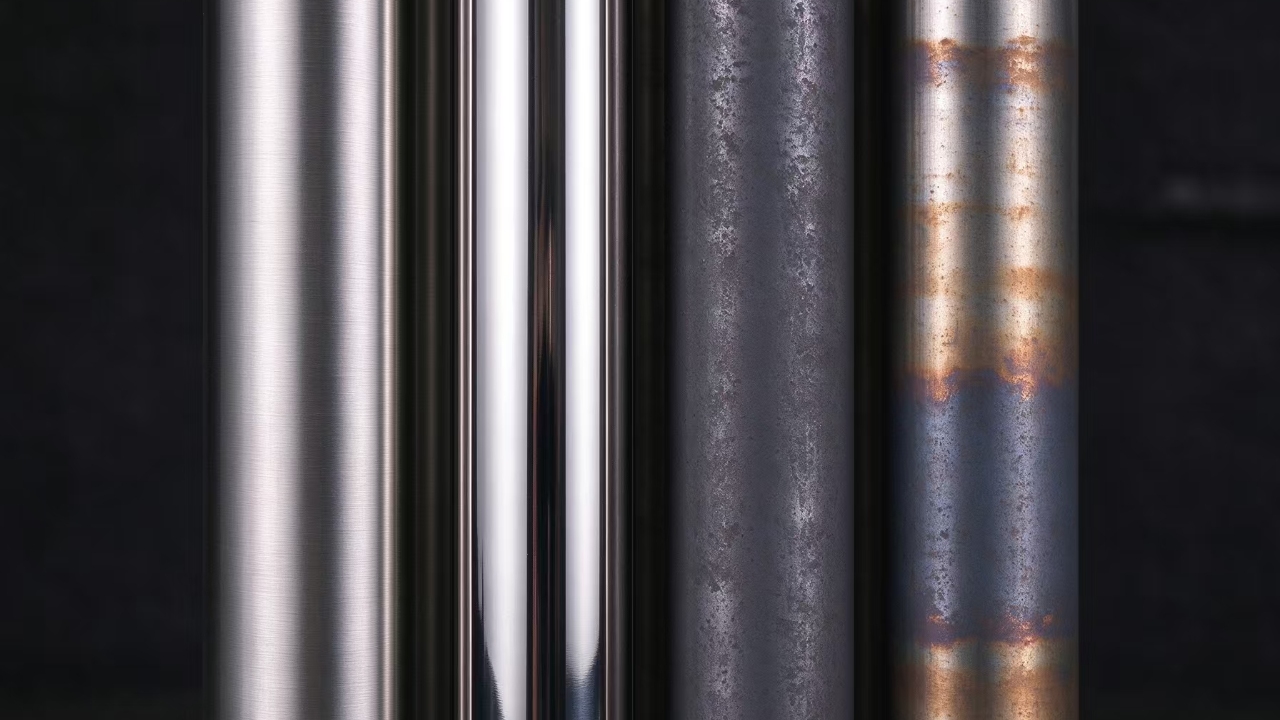
Stainless steel pipes serve both functional and decorative purposes. Their clean metallic look works well for commercial buildings, public spaces, furniture and exposed structural components.
Different finishes create distinct visual effects: brushed or satin surfaces deliver a soft look; polished and mirror finishes are bright and reflective. Pickled or annealed surfaces are selected based on production process and service needs.
Surface finish should be decided by appearance expectations, cleaning frequency, service environment and machining demands. A decorative finish does not automatically qualify the tube for sanitary or corrosive environments. Material grade and surface state still need to match working conditions.
Recyclable to Support Material Circularity
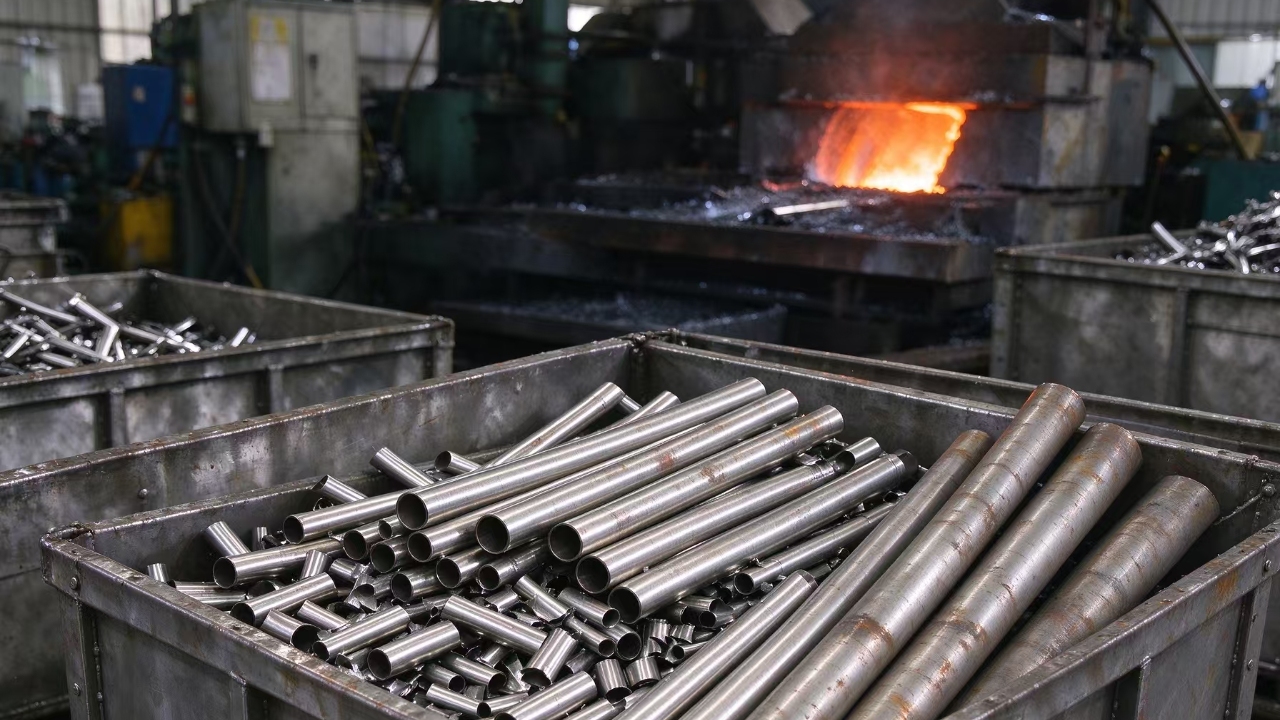
Stainless steel is recyclable. At the end of service life, tubes can be melted down and reused as raw material, improving material efficiency in construction, manufacturing and industrial projects.
Long service life of stainless steel tubes cuts replacement frequency, further boosting resource efficiency across the whole project lifecycle.
Environmental benefits depend on production processes, recycled content, transportation, service life and end-of-life recycling. If your project targets sustainability, request supporting documentation and environmental data instead of judging eco-performance based only on recyclability.
Used Across Many Industries
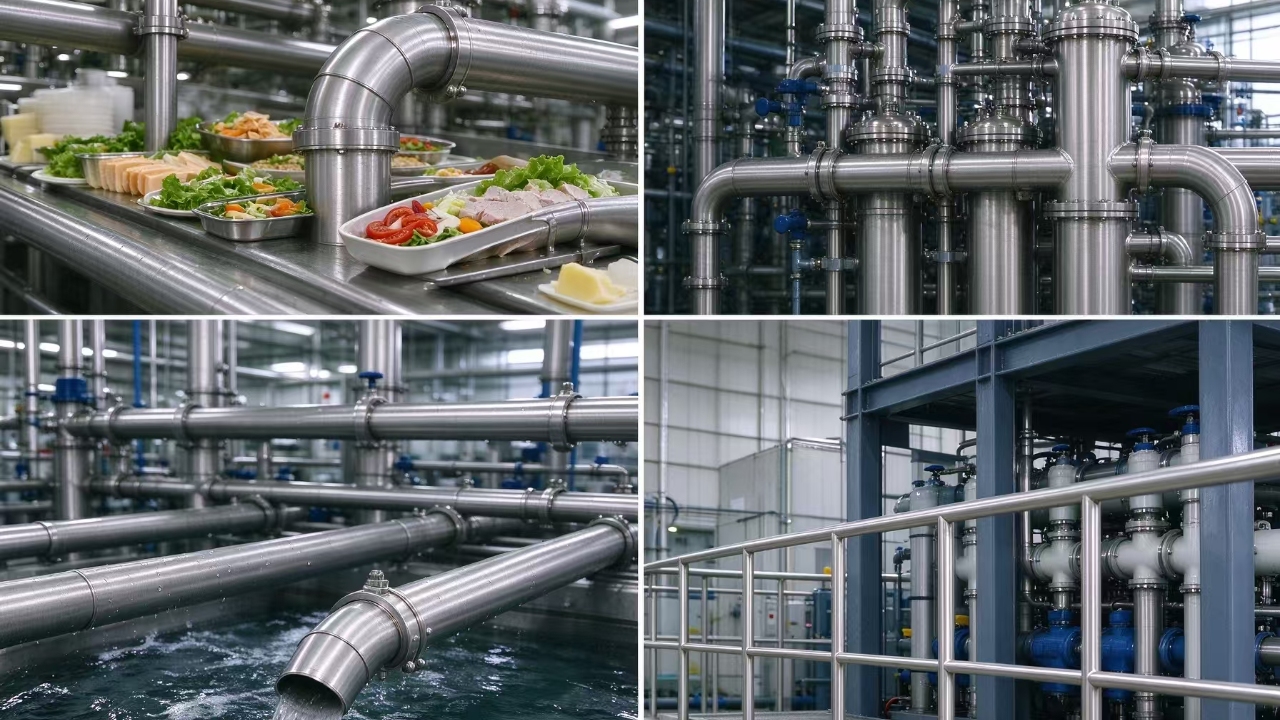
Corrosion resistance, high strength, diverse surface finishes and flexible processing make stainless steel pipes suitable for numerous sectors. Food & beverage: Production pipelines and sanitary fluid transfer systems with proper grade and surface finish. Pharmaceutical: Piping systems focusing on material traceability, easy cleaning and compatibility with washing procedures. Chemical: Process piping where material withstands corresponding chemical concentrations and temperatures. Water treatment: Water supply, transfer and treatment equipment, selected according to water quality and operating conditions.
Architectural & decorative: Railings, frames, supports, decorative elements and exposed metal structures. Industrial equipment: Machine frames, equipment connectors and fluid piping meeting operational requirements.
Technical standards vary widely across industries. The best tube option depends on operating environment, dimensions, applicable codes and expected service life.
Stainless Steel Tubing Properties Contributing to These Advantages
Excellent performance of stainless steel tubing is not a coincidence; it is ensured by proper composition of the alloy, great mechanical properties and stable corrosion resistance.
Regarding the chemical composition of the alloy, chromium oxide passivation layer protects the surface of the tubing, thus forming the basis for its corrosion resistance; nickel stabilizes the austenitic structure of the alloy making the tubing more ductile and tough. Low carbon content prevents carbide precipitation while welding or heat treatment to avoid intergranular corrosion; additional manganese and silicon additives provide better formability in such operations as bending and cutting.
Concerning mechanical properties of stainless steel tubing, they are characterized by moderate yield strength and good elongation, along with great flexibility, which means that the tubing can withstand a certain amount of tensile and bending deformations without breaking, adapting to vibration of pumps and changes in pressures in industrial applications.
With regard to corrosion resistance and thermal stability of stainless steel tubing, they show strong oxidation resistance, ability to withstand most oxidizing acids, some salt corrosion and also good scaling resistance at high temperatures.
However, this material is not suitable for highly corrosive, high-salinity marine environments. All relevant performance indicators have been tested in standardized laboratories, ensuring stable and predictable performance.
FAQ
How can the use of stainless steel pipes reduce the costs of an entire project?
The use of stainless steel pipes can reduce the costs related to repeated pipe replacement, repair and downtime in production. The long-term value of such pipes will depend on their purchasing cost, conditions of exploitation, maintenance period, and durability period.
Are stainless steel pipes appropriate for automated manufacturing lines?
Yes. Stainless steel pipes that have stable dimensions and high batch consistency will be appropriate for automatic processes of cutting, welding, bending, and assembling. It is necessary to check the tolerance in dimensions and batch consistency when purchasing such tubes for automatic production lines.
In which situations will the low-maintenance characteristic of stainless steel pipes produce the highest economic effect?
The greatest economic effect of this feature will be produced in the case of pipes used in difficult-to-access locations, in the case of continuous production lines and production facilities when production stoppage entails significant losses.
How does stainless steel’s stable performance across a wide temperature range benefit process systems?
It retains reliable mechanical properties at both high and cryogenic temperatures. This consistency suits heat exchangers, boiler auxiliary piping and temperature-variable processes, removing the risk of material softening or brittle failure under thermal swings.
How does the recyclability of stainless steel support green project targets?
Stainless steel is nearly fully recyclable without quality degradation. Combined with its long service life, it reduces raw material consumption across the whole project lifecycle and helps projects meet sustainability and circular economy requirements.
Final Thoughts
Verixor is a company known for supplying stainless steel pipes which are manufactured according to the varied requirements of different industrial sectors. The dedication to quality and reliability on the part of our company has enabled us to form long-term relations with our clients in various industries. Being a reliable manufacturer, exporter and supplier of stainless steel pipes, Verixor will offer you solutions aimed at increasing your efficiency. We will cooperate with you and get to know your requirements and will provide you with stainless steel pipes corresponding to your operational requirements. With vast experience and strong industry knowledge we are your partner of choice.
Feel free to contact us for any information about your requirements.