
Choosing the right grade of stainless steel pipe can be confusing, especially since 201, 304, and 316 appear similar but have different actual performance characteristics. Selecting the wrong grade can increase procurement costs and even lead to corrosion issues. This guide compares the key differences between these three grades to help you choose the appropriate stainless steel pipe grade for your specific application.
What Is Stainless Steel Pipe Grade?
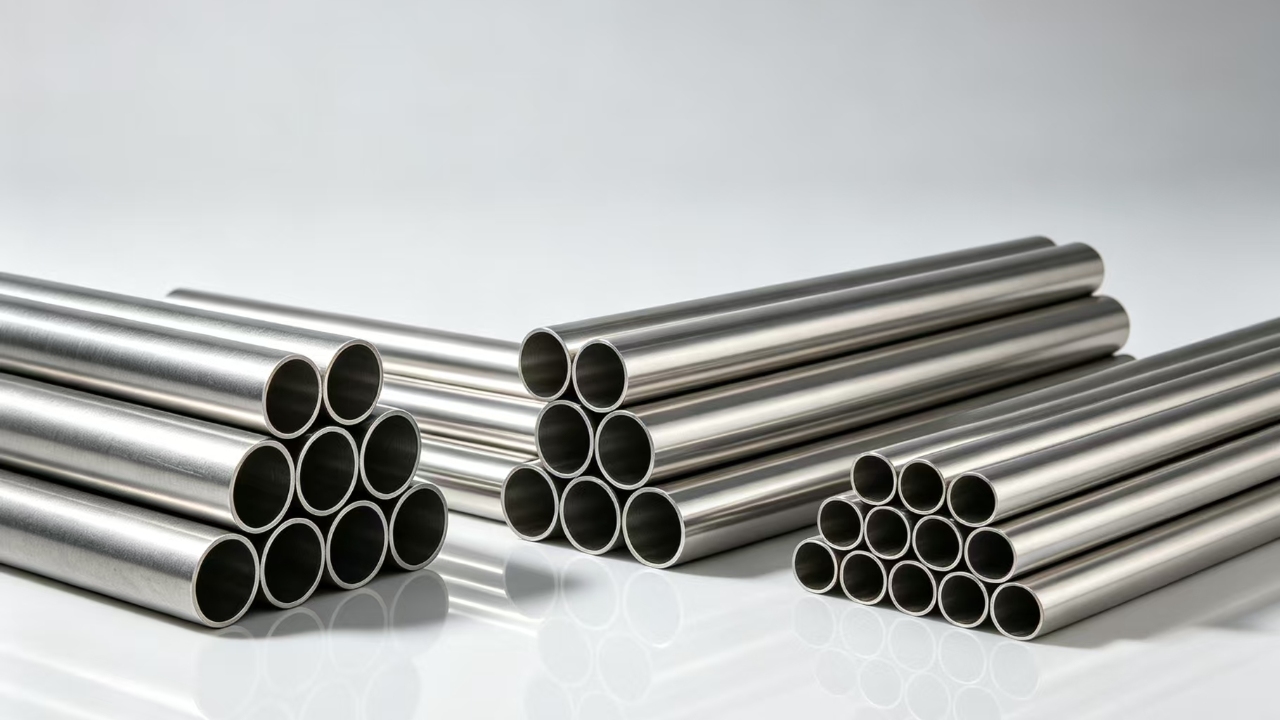
Stainless steel pipe grade is a designation used to identify different types of stainless steel materials, primarily distinguished by their chemical composition, properties, and application characteristics. Different grades vary in their content of elements such as chromium, nickel, molybdenum, and manganese; these differences affect the stainless steel pipe’s corrosion resistance, strength, workability, and service life.
Common stainless steel pipe grades include 201, 304, 316, 321, 410, and 430. Different grades are suitable for different operating environments and application requirements.
For your project, selecting a stainless steel pipe grade should not be based solely on the material name or price. You also need to consider the operating environment, exposure to corrosion, processing requirements, expected service life, and overall project cost.
Among the common stainless steel pipe grades, 201, 304, and 316 are often compared side by side because they offer different combinations of corrosion resistance, performance, and cost. Understanding the differences between them can help you select the most suitable material for your project.
What are the Differences Between 201, 304, and 316 Stainless Steel Pipe?
The main differences between 201, 304, and 316 stem from their chemical compositions, which in turn affect their corrosion resistance and overall performance. As a buyer, you need to focus on how different grades perform in practical applications, including the operating environment, exposure conditions, processing requirements, and expected service life.
201 Stainless Steel Pipe
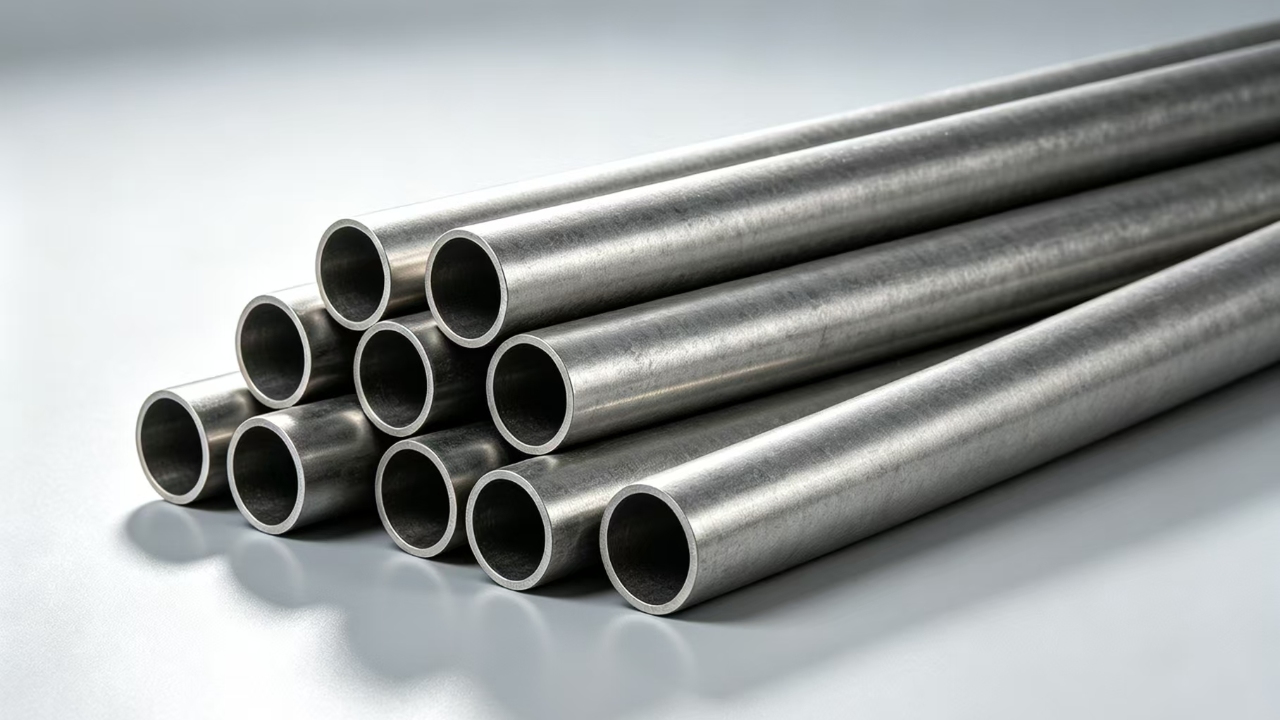
You can typically consider 201 stainless steel pipe when you need to control material costs and the application does not require the same level of corrosion resistance as 304 or 316.
Compared to 304, 201 generally contains less nickel and more manganese. This difference in composition affects its corrosion resistance, making it more suitable for relatively mild operating environments.
You might use 201 stainless steel pipe in indoor architectural structures, decorative products, furniture components, general metalworking, and other applications with minimal exposure to moisture, chemicals, and salt.
For example, if you’re purchasing stainless steel pipe for indoor decorative railings or furniture frames, the additional corrosion resistance offered by 304 may not be necessary.
However, you should not simply view 201 as a low-cost alternative to 304. If your project involves outdoor environments, high humidity, chemicals, or coastal areas, you need to carefully assess the actual conditions of use before selecting 201.
For high-volume projects, the lower purchase price may be attractive, but the material must still meet the project’s requirements regarding the operating environment and product lifespan.
304 Stainless Steel Pipe
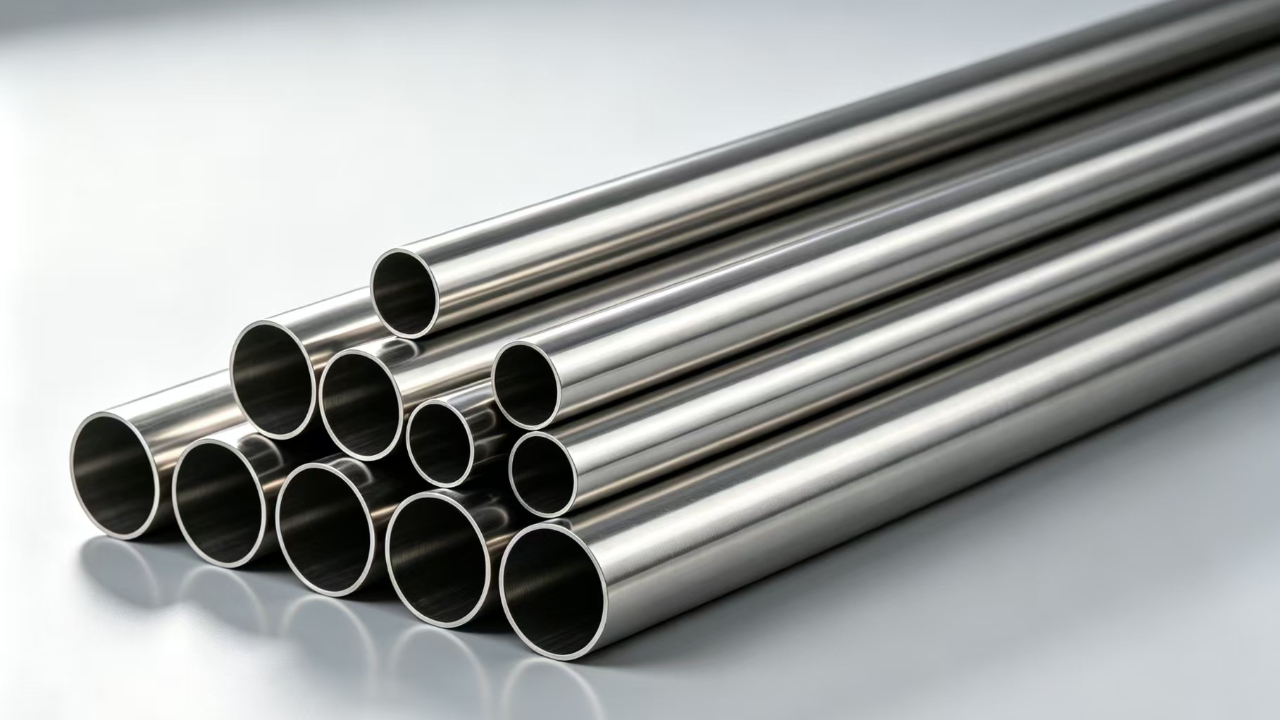
304 is one of the most widely used stainless steel grades and is suitable for many general-purpose applications. It strikes a good balance between corrosion resistance, mechanical properties, workability, availability, and cost.
When you need reliable, general-purpose corrosion resistance but do not wish to opt for a higher-cost material, consider 304 stainless steel pipe.
304 stainless steel pipe is commonly used in construction, building structures, food-contact equipment, general industrial equipment, water-related applications, machinery, and various stainless steel fabricated components.
For many indoor and outdoor projects, 304 offers a suitable combination of performance and cost. When processed using appropriate techniques, it can be fabricated through common methods such as cutting, bending, drilling, and welding.
If your project does not involve particularly severe chemical corrosion, exposure to high concentrations of chloride ions, or harsh marine environments, 304 typically provides sufficient corrosion resistance while avoiding unnecessary material costs.
Therefore, when comparing different grades of stainless steel tubing, 304 often serves as a practical starting point for general-purpose applications.
316 Stainless Steel Pipe
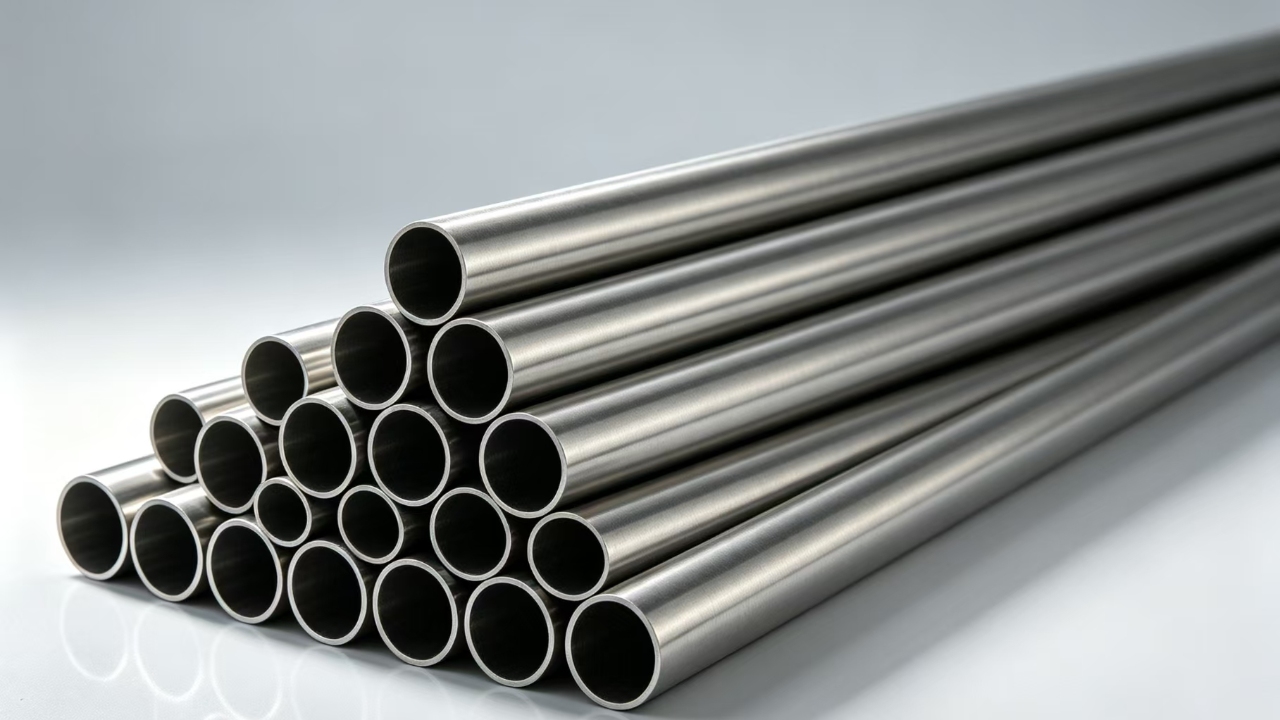
When you need stronger corrosion resistance than 304 to withstand certain specific environments, 316 stainless steel pipe is typically considered.
A key distinction between 316 and other common grades is the addition of molybdenum, which enhances the material’s resistance to certain forms of corrosion, particularly in chlorine-containing environments.
If your project involves saltwater, coastal environments, marine environments, chemical processing, or other relatively harsh operating conditions, then 316 is worth serious consideration.
316 stainless steel pipe may also be used in the pharmaceutical and food processing industries, marine engineering, and other industrial applications with high requirements for corrosion resistance and material cleanliness.
However, choosing 316 does not mean you can ignore the actual working environment. You still need to consider factors such as temperature, chemical concentration, exposure time, cleaning methods, and installation conditions.
Higher-grade stainless steel pipes are not necessarily suitable for all projects. It is only worth selecting a higher-grade material when its additional performance characteristics provide real value for your specific application.
201 vs 304 vs 316 Stainless Steel Pipe
When comparing these three grades, you shouldn’t focus solely on the initial material cost. A more meaningful comparison involves determining whether each grade is suitable for your operating environment, application, corrosion resistance requirements, and project budget.
This comparison can serve as a useful starting point for your material selection, but it cannot replace a specific assessment of the actual operating environment.
How to Choose Between 201, 304, and 316
| Factor | 201 Stainless Steel Pipe | 304 Stainless Steel Pipe | 316 Stainless Steel Pipe |
| Corrosion resistance | Moderate | Good | Higher in demanding environments |
| General applications | Suitable | Widely used | Suitable |
| Chloride exposure | Limited | Moderate | Better suited |
| Outdoor applications | Application dependent | Commonly used | Better suited for demanding conditions |
| Marine environments | Generally less suitable | Application dependent | Common choice |
| Weldability | Good with proper procedures | Good | Good |
| Relative cost | Generally lower | Moderate | Generally higher |
| Common applications | Decorative and general fabrication | Construction, industrial, architectural | Marine, chemical, demanding environments |
Start With the Working Environment
First, you need to determine the environment in which the stainless steel pipe will be used.
Material requirements can vary significantly between indoor construction projects, food processing facilities, and coastal construction projects.
You need to consider whether the stainless steel pipe will be installed indoors or outdoors, whether it will come into contact with water, whether the surrounding environment contains salt or chemicals, and whether the surface will be exposed to everyday cleaning agents.
At the same time, you’ll also need to consider the operating temperature and expected service life. The more severe the environment, the more carefully you’ll need to evaluate corrosion resistance before selecting a material grade.
Consider the Specific Application
The specific application scenario can help you quickly narrow down your material options.
If you’re purchasing stainless steel pipe for indoor handrails, furniture, decorative structures, or general metal fabrication, you can consider grades 201 or 304 based on the usage environment and aesthetic requirements.
For general industrial equipment or outdoor construction projects where the operating environment is not particularly harsh, 304 is typically a practical choice.
Balance Performance and Cost
You should not automatically choose the most expensive grade simply because a material offers higher corrosion resistance.
If 304 already meets the project’s performance requirements, upgrading to 316 may increase material costs without necessarily providing significant practical benefits.
On the other hand, choosing 201 simply because of its lower purchase price—without considering the actual operating environment of the stainless steel pipe—may lead to subsequent problems when higher corrosion resistance is required.
A more practical procurement decision should comprehensively consider the required performance, operating environment, expected service life, fabrication requirements, and total project cost—not just the price of the material itself.
FAQ
Is 316 stainless steel pipe always better than 304?
Not necessarily. 316 offers better corrosion resistance in certain harsh environments, particularly those containing chloride ions. However, for many standard applications, 304 is sufficient to meet the requirements. Your choice should be based on the actual operating environment, exposure conditions, service life, and project requirements—rather than simply opting for a higher-grade material.
What is the difference between 304 and 304L stainless steel pipe?
The main difference between the two lies in their carbon content. 304L has a lower carbon content than standard 304, making it potentially more suitable for certain applications that require welding. If your project involves extensive welding, it is recommended that you discuss the specific fabrication processes with your supplier before finalizing the material grade.
Does the material grade of stainless steel pipe affect the selection of wall thickness?
Material grade and wall thickness are two distinct specifications, but both must meet project requirements. Selecting the appropriate stainless steel material does not necessarily guarantee that the tubing will have the required strength or load-bearing capacity. You should determine the required wall thickness based on the specific application, tubing dimensions, pressure, structural requirements, and applicable standards.
Does the material grade of stainless steel pipe affect the appearance of the final product?
The material grade itself is not the sole factor determining appearance. Surface treatment, polishing quality, machining marks, and consistency across different batches may have a greater impact on the final visual appearance. If the stainless steel pipe will be exposed after installation, you should specify both the required material grade and appearance standards before production.
Does the material grade of stainless steel pipe affect a project’s maintenance requirements?
Yes. When a stainless steel pipe is exposed to corrosive environments, the selected material grade may influence future maintenance needs. However, maintenance requirements also depend on the operating environment, surface condition, installation method, cleaning methods, and actual usage conditions. Selecting the appropriate material grade early in the project can help you better manage long-term maintenance needs.
Final Thoughts
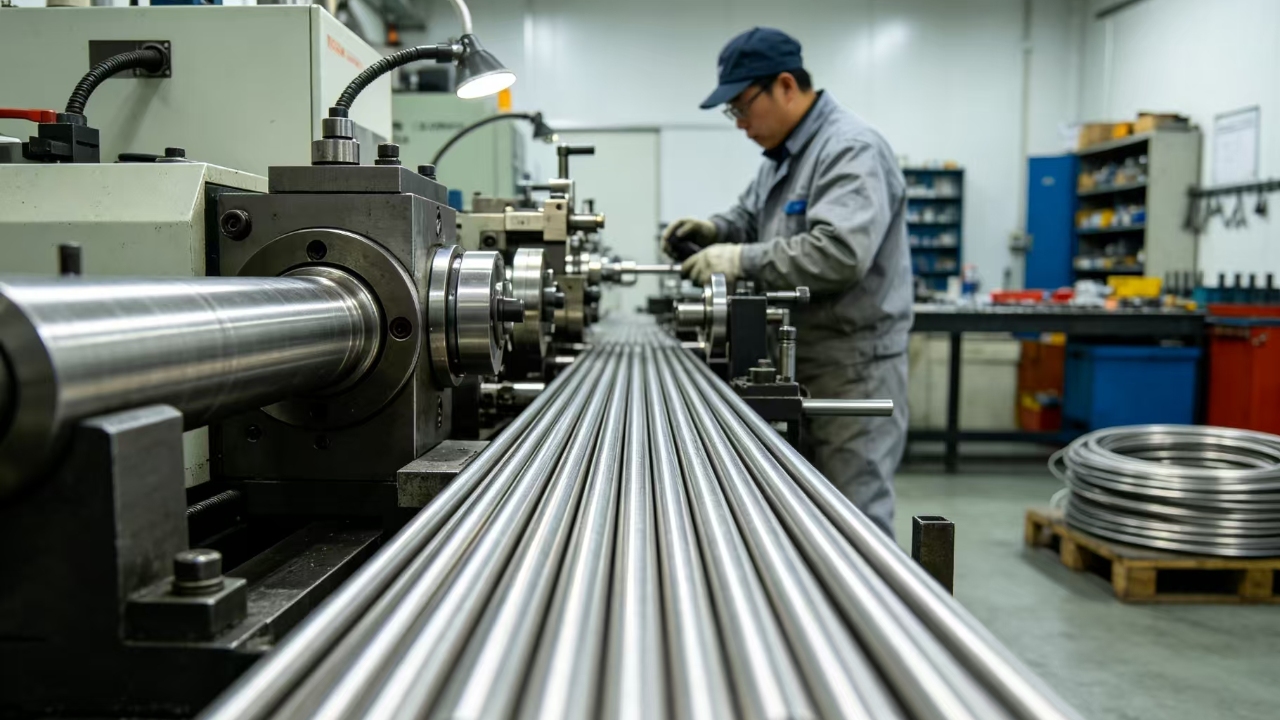
Verixor provides custom stainless steel pipe tailored to your project requirements and supports flexible dimensions, surface treatments, and processing solutions. With over 10 years of industry experience and a production facility spanning 10,000+ m², we offer direct factory support for project-based procurement.
You can contact us with drawings, specifications, or project requirements, and we will deliver practical stainless steel pipe solutions for you.